
Description
Buy HCG Australia
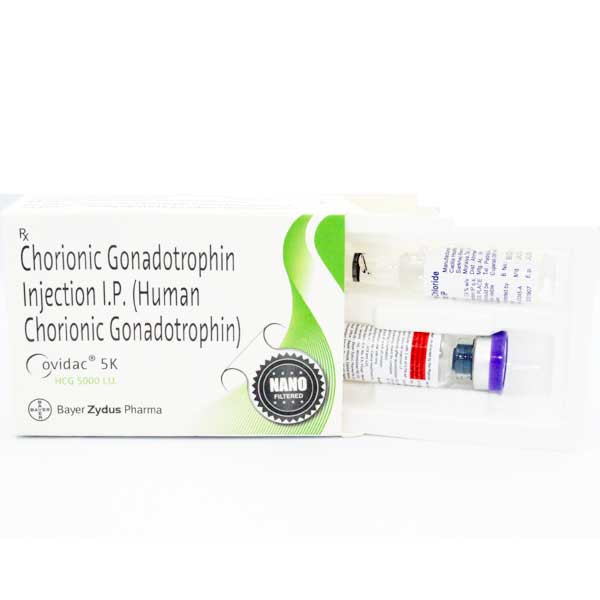
Buy HCG Australia (human chorionic gonadotropin) is a hormone produced by the placenta during pregnancy. It’s also known as the “pregnancy hormone” and is detected in urine or blood tests to confirm pregnancy.
-
-
Production:
hCG is produced by the trophoblast cells, which are part of the early embryo and eventually develop into the placenta.
-
Role:
It plays a crucial role in early pregnancy, particularly in the first trimester, by stimulating the production of progesterone, which is essential for maintaining the pregnancy.
-
-
Buy HCG Australia
hCG levels rise rapidly during early pregnancy, doubling every 2-3 days. This rapid increase is what allows pregnancy tests to detect the presence of hCG.
-
Pregnancy Tests:
Both urine and blood tests can detect hCG levels. Urine tests are readily available for home use, while blood tests offer more accurate and earlier detection.
-
Other Uses:
hCG levels can also be measured to help diagnose certain cancers and to monitor cancer treatment or check for cancer recurrence.
-
In Men:
hCG levels may be measured in men to help diagnose testicular cancer, as some germ cell tumors can produce hCG. HCG injections (human chorionic gonadotropin) are a hormone that can increase a person’s chances of pregnancy, helps produce testosterone and sperm, and treats a condition that affects the testes called cryptorchidism.
-
In fertility treatments, hCG injections are used to trigger ovulation and to support pregnancy after in vitro fertilization. Human chorionic gonadotropin (hCG) is a hormone produced by the placenta during pregnancy. It helps thicken your uterine lining to support a fetus and tells your body to stop menstruating. HCG levels rise after conception and continue to rise until about 10 weeks in pregnancy.Your placenta begins producing and releasing hCG into your blood and urine. HCG can be found in a person’s blood around 11 days after conception. It takes slightly longer for hCG to register on urine tests. HCG increases quickly (almost doubling every three days) for the first eight to 10 weeks of pregnancy.



Reviews
There are no reviews yet.