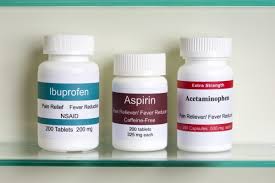
Painkillers, also known as analgesics, are medications used to relieve various types of pain. The main types include non-opioids (like paracetamol and NSAIDs), and stronger opioids, which work in different ways and are suitable for different pain levels.
Types of Painkillers
Painkillers are broadly classified by how they work and their strength:
- Paracetamol (Acetaminophen): Often the first choice for mild-to-moderate pain and fever, it works in the brain and spinal cord to block pain signals. It does not reduce inflammation.
- Common Brands: Tylenol, Panadol
- Non-steroidal Anti-inflammatory Drugs (NSAIDs): These reduce pain, fever, and inflammation (swelling) by blocking specific enzymes (COX enzymes) at the site of injury. They are effective for conditions like arthritis, muscle aches, and sprains.
- Common Brands: Ibuprofen (Advil, Motrin), Naproxen (Aleve), Aspirin, Diclofenac (Voltaren)
- Opioids: Used for moderate to severe pain, such as after surgery or a serious injury. They work by binding to receptors in the central nervous system to change the brain’s perception of pain.
- Common Examples: Codeine, tramadol (weaker), morphine, oxycodone, and fentanyl (stronger)
- Adjuvants: These are medicines initially developed for other conditions (e.g., antidepressants, anticonvulsants) but are also effective for certain types of pain, especially nerve pain (neuropathic pain).
Important Considerations
- Over-the-Counter (OTC) vs. Prescription: Paracetamol and some NSAIDs are available over the counter, while most opioids and higher-dose NSAIDs require a prescription.
- Dosage and Safety: Always follow the dosage instructions on the packet or as advised by your healthcare provider.
- Taking too much paracetamol can cause liver damage.
- Long-term use of NSAIDs can lead to stomach, kidney, or heart problems.
- Opioids carry a risk of side effects, dependence, and addiction, and should be used for the shortest possible time under medical supervision.
- Interactions: Painkillers can interact with other medicines, supplements, and alcohol. Consult a doctor or pharmacist about potential interactions, especially if you have existing health conditions like liver, kidney, or heart disease.
For personalized advice on the best painkiller for your specific condition, always talk to a doctor or a pharmacist. You can also use online resources like the MedlinePlus Pain Relievers page for more information.